

Trek in Portugal
There is a version of advocacy that looks like this: endless emails, back-to-back calls, stacks of evaluation reports, meeting prep at 11pm, and a perpetual undercurrent of urgency because every single case involves a child who cannot wait.
For those of us doing this work, stepping away can feel almost irresponsible. Families are counting on us. There are letters to draft and timelines to track.
But here is what years of sitting across the table from school districts, school psychologists, and legal teams has taught me: you cannot advocate at the highest level when you are running on empty. The families we serve deserve our best thinking, not our most exhausted effort.
This month, I made a deliberate choice to invest in my own professional development and take a real break. That brought me to Portugal for the Trek Epic Portugal cycling retreat, and what I experienced there reinforced something I want every advocate, special education professional, and parent volunteer to hear.
Recharging Is Not a Luxury

The work of special education advocacy is mentally demanding in ways that are not always visible from the outside. We are holding the details of multiple cases simultaneously. We are parsing legal language, preparing counterarguments, tracking procedural timelines, and staying current on case law. We are also holding the emotional weight of the families we serve, because this work is deeply personal for them.
That kind of sustained cognitive and emotional output has a cost. When we do not actively replenish, the quality of our thinking erodes quietly, long before we notice it. We start missing nuances. We default to familiar arguments instead of creative ones. We lose the patience that good advocacy requires.
Intentional rest is not stepping away from the work. It is an investment in the work.
What Professional Development Actually Looks Like

Sharing Ideas and Creativity
Not all professional development happens in a conference room. Some of the most meaningful learning in this field has happened in conversations with peers, in moments of reflection, and in the space that opens up when you remove yourself from the day-to-day.
This trip was that kind of experience. Portugal's Alentejo and Algarve regions offer terrain that demands your full presence: cork forest roads, coastal climbs, routes that wind through villages where the pace of life is unhurried and intentional. When you are riding through that landscape, you are not thinking about your inbox. You are thinking clearly, breathing deeply, and giving your nervous system a genuine break.
That clarity has a way of carrying over. Ideas surface. Perspective returns. The cases I returned to felt less like a pile of obligations and more like meaningful work I was genuinely equipped to handle.
Staying Current Requires Investment
Another dimension of professional development that does not get enough attention is the commitment to staying current. Special education law evolves. Case decisions matter. The frameworks we use to argue FAPE, LRE, and appropriate placement shift as new decisions come down from courts and hearing officers.
Remaining effective in this work means committing time and resources to learning, not just when it is convenient, but as a non-negotiable part of running a practice. Conferences, trainings, peer connections, and yes, retreats designed to restore the cognitive capacity that complex legal and educational work demands. All of it counts.
The families I work with are trusting me to bring current knowledge and clear thinking to their situations. That is a responsibility I take seriously, which is exactly why I take professional investment seriously too.
What I'm Bringing Back
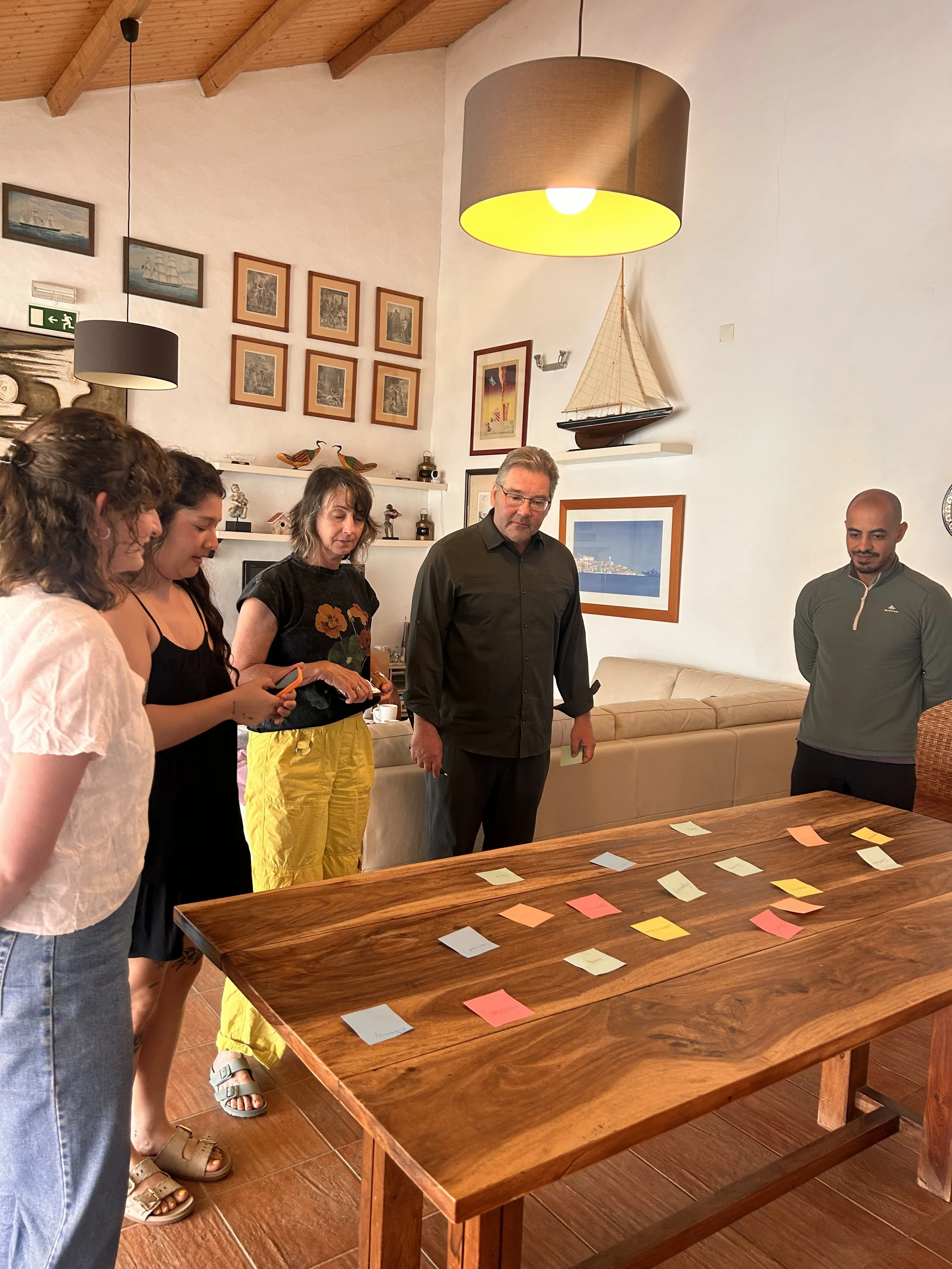
The reset I gained from this experience will show up in how I approach the next IEP meeting, the next demand letter, the next family who comes to me overwhelmed and unsure where to start.
Advocacy at its best comes from a place of steadiness. Families need someone in their corner who is not rattled, who can think three steps ahead, and who brings both knowledge and calm to high-stakes situations. That steadiness requires maintenance.
If you are a parent advocate, a professional in this field, or anyone doing work that demands your best self consistently, please take the recharge seriously. Build it into your calendar the way you build in deadlines and appointments.
You will come back a better advocate. The families you serve will feel the difference.
Maureen Brown, M.S. is the founder of Ask the Advocate, an Educational practice supporting families nationally with IEP advocacy, therapeutic placement consulting, college counseling, and dispute resolution. To book a 30-minute Education Strategy Session, visit asktheadvocate.org/special-education-advocate-massachusetts.